 Reviews

 Proudly American

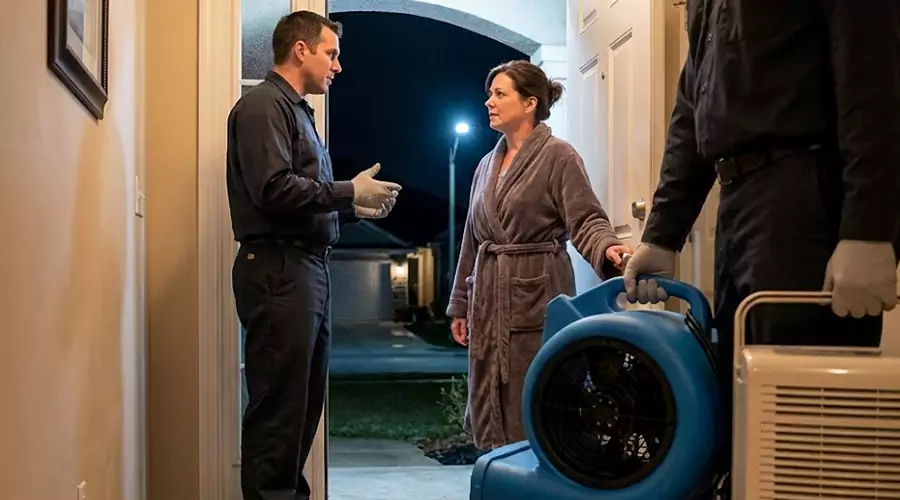
Choosing the right restoration company after property damage is an important decision. Water damage, fire damage, smoke damage, mold growth, storm damage, sewage backups, and flooding can all create stressful situations for homeowners. When your home is damaged, you need a company that can respond quickly, explain the process clearly, document the damage, and restore the property safely.
Not every company offers the same level of service. Some focus only on cleanup, while others handle emergency mitigation, drying, odor removal, mold remediation, repairs, and insurance documentation. The right restoration company should help protect your home from further damage and guide you through the recovery process with clear communication.
This guide explains how to choose the right restoration company after property damage and what homeowners should look for before hiring.
Look for Fast Emergency Response
Property damage often needs quick action. Water can spread behind walls and under floors. Smoke odor can settle into fabrics and vents. Storm openings can allow more rain inside. Mold can grow when moisture remains too long.
A good restoration company should offer fast response for urgent situations. Ask whether they handle emergency services and how quickly they can inspect the damage.
Emergency restoration services may include:
- Water extraction
- Structural drying
- Roof tarping
- Emergency board up
- Sewage cleanup
- Smoke and soot cleanup
- Mold prevention
- Debris removal
Fast response can reduce secondary damage and may help lower repair costs.
Check Their Restoration Experience
Experience matters because restoration work is different from basic cleaning or general repair. A restoration company must understand moisture control, safety risks, contamination, smoke residue, mold growth, drying standards, and material damage.
Ask what types of property damage they handle. A company with experience in water, fire, smoke, mold, storm, and flood restoration may be better prepared for complex damage.
For example, a fire damaged home may also have water damage from firefighting. A storm damaged home may have roof leaks, wet insulation, and mold risk. A basement flood may involve contaminated water and structural drying.
The company should understand how these issues connect.
Ask About Licensing, Insurance, and Training
Before hiring a restoration company, ask whether they are properly licensed and insured for the services they provide in your area. Requirements can vary by location and service type, but professional companies should be able to explain their qualifications.
You can also ask about technician training and industry certifications. Restoration work may require knowledge of water extraction, drying equipment, mold remediation, smoke cleanup, odor control, and safe material removal.
A qualified company should not avoid these questions. Clear answers show professionalism and accountability.
Make Sure They Inspect for Hidden Damage
Visible damage is only part of the problem. Water can hide under floors, behind walls, inside cabinets, and in insulation. Smoke can travel through vents and settle in rooms far from the fire. Mold can grow behind drywall before it becomes visible.
The right restoration company should inspect beyond the surface. For water damage, this may include moisture readings, thermal imaging, and moisture mapping. For fire damage, it may include soot inspection, smoke odor checks, and HVAC review.
Hidden damage inspection helps prevent future problems such as mold, odors, warped floors, and recurring stains.
Review Their Documentation Process
Good documentation is important for restoration planning and insurance claims. A professional company should document the damage before cleanup begins and keep records during the job.
Helpful documentation may include:
- Photos and videos
- Moisture readings
- Drying logs
- Damage reports
- Scope of work
- Material removal notes
- Cleaning records
- Repair estimates
Documentation can help homeowners understand what happened, what work was needed, and how the restoration process was completed.
Ask If They Help With Insurance Claims
A restoration company cannot guarantee claim approval because coverage depends on your policy, cause of damage, deductible, and insurance review. However, they can help by providing photos, reports, estimates, moisture readings, and job records.
Some companies can also communicate with the insurance adjuster to explain the restoration work. This can make the process easier for homeowners, especially after major water, fire, storm, or mold damage.
Ask whether the company provides insurance documentation and whether they have experience working with adjusters.
Understand What Services Are Included
Before hiring, ask exactly what services are included. Some companies only handle emergency cleanup. Others also provide repairs and reconstruction. Knowing this upfront helps you avoid confusion later.
Common restoration services may include:
- Emergency mitigation
- Water removal
- Drying and dehumidification
- Smoke and soot cleaning
- Mold remediation
- Odor removal
- Contents cleaning
- Debris removal
- Repairs and reconstruction
Ask whether the estimate includes mitigation only or full repairs. This helps you compare companies fairly.
Look for Clear Communication
A good restoration company should explain the process in simple terms. They should tell you what is damaged, what needs to happen first, how long drying may take, what materials may need removal, and what steps come next.
Clear communication is especially important during stressful situations. You should feel comfortable asking questions and getting direct answers.
Good communication includes:
- Written estimates
- Clear scope of work
- Updates during cleanup
- Explanation of equipment use
- Timeline expectations
- Honest answers about what can be saved
- Clear next steps after mitigation
If a company is vague or difficult to reach before the job starts, that may be a warning sign.
Check Reviews and Local Reputation
Reviews can give you insight into how a company treats customers. Look for comments about response time, professionalism, communication, cleanup quality, documentation, and follow through.
Do not rely only on star ratings. Read the details. A company with strong reviews for emergency response and clear communication may be a better choice than one with generic reviews.
You can also ask neighbors, local contractors, plumbers, roofers, or insurance professionals if they have heard of the company.
Watch for Red Flags
After major storms, floods, or fires, some unreliable contractors may appear quickly and pressure homeowners into fast decisions. Be careful before signing anything.
Red flags include:
- No written estimate
- Pressure to sign immediately
- Large upfront payment demands
- No proof of insurance
- Vague service descriptions
- Poor communication
- No damage documentation
- Promises that insurance will definitely pay
- No clear cleanup or drying plan
A trustworthy restoration company should be professional, transparent, and willing to explain the work.
Ask the Right Questions Before Hiring
Before choosing a restoration company, ask practical questions that help you understand their process.
Helpful questions include:
- How quickly can you inspect the damage?
- What services do you provide?
- Do you check for hidden moisture or smoke damage?
- What equipment will you use?
- Do you provide photos and documentation?
- Can you help with insurance paperwork?
- Is repair work included or separate?
- How will you update me during the job?
- What materials may need removal?
- Do you provide a written estimate?
The answers can help you compare companies and make a confident choice.
Final Thoughts
Choosing the right restoration company after property damage can make the recovery process easier and safer. Look for fast response, restoration experience, proper insurance, hidden damage inspection, clear documentation, insurance claim support, and strong communication.
Avoid companies that pressure you, refuse to provide written details, or make unrealistic promises. The right restoration team should help protect your home, reduce secondary damage, explain each step, and restore the property with care. After water, fire, smoke, mold, storm, or flood damage, a qualified restoration company can make a major difference in how smoothly your home recovers.